A KIND OF PRIVATE PRINCEDOME: THE STORY OF THE COUNTRY HOUSE. CLIVE ASLET IN DISCUSSION WITH SAVILIAN OLDROYD-BOLT.
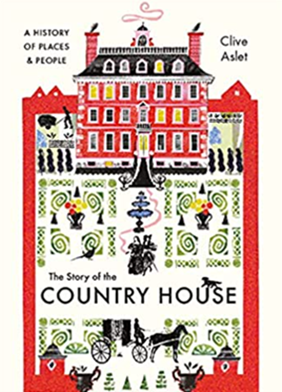
Is the country house an Arcadia, created as a refuge from a busy, bruising world? Or a seat of political power, or the centre of an economically productive estate? It is a castle or a caprice? Clive Aslet, whose new book The Story of the Country House, will show that it has been all these things at different times since the Middle Ages. Adorned by great works of art and surrounded by nobly landscaped parks, these great ancestral homes are now being challenged by critics who see them as bastions of privilege, built from the proceeds of evil practices such as slavery. How should we regard these magnificent survivals, and what role does the country house play today? In 1624, the diplomat and architectural enthusiast Sir Henry Wooton saw Every Man’s proper Mansion House and Home as the ‘Theatre of his Hospitality…a kinde of private Princedome; Nay…an Epitomie of the whole World’. Nearly four centuries later – and despite huge losses in the 20th century – the country house continues to delight.

Clive Aslet is a writer, commentator, historian, editor and most recently, was made a Visiting Professor of Architecture at the University of Cambridge. He has written over twenty books on architecture and history and was the editor of Country Life magazine from 1993 to 2006. In 2019, he co-founded the publishing company, Triglyph Books with the international photographer Dylan Thomas. Their first title Old Homes, New Life: the resurgence of the British country house was published in the Summer of 2020 and since then, they have been producing titles for general consumption as well as an extensive private list, which look to champion the best of British craft and creativity. As of 2021, Aslet is the new Chairman of the Lutyens Trust.