THE DIARIES OF HENRY ‘CHIPS’ CHANNON: Volume 2, 1938 – 1943.SIMON HEFFER IN CONVERSATION WITH SAVILIAN DAVID OLDROYD-BOLT
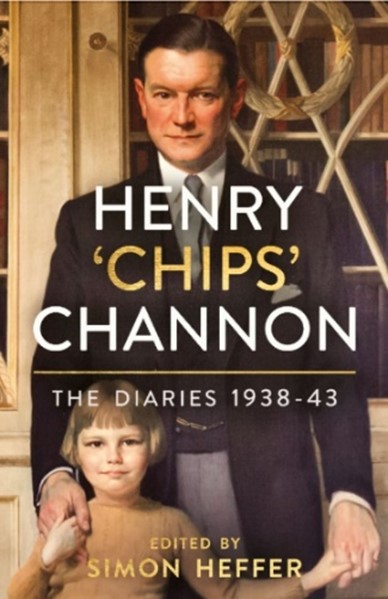
Acclaimed historian Simon Heffer will be talking about Chips Channon’s diaries, now published for the first time in unexpurgated form.
A heavily abridged and censored form of the diaries was published in 1967. Only now, 60 years after Chips’ death, can the text be shared in all its shocking glory. While his career as MP (from 1935 until his death in 1958) was unremarkable, the diaries are quite the opposite. Elegant, gossipy and bitchy by turns, they are the unshackled observations of a man who went everywhere and knew everybody. Volumes 1 and 2 have been published in 2021 to rave reviews and acclaim.
Born in Chicago in 1897, Henry ‘Chips’ Channon settled in England after the Great War, married into the immensely rich Guinness family, and served as Conservative MP for Southend-on-Sea from 1935 until his death in 1958. His political career was unremarkable. His diaries are quite the opposite. Elegant, gossipy and bitchy by turns, they are the unfettered observations of a man who went everywhere and knew everybody.
This second volume of the unexpurgated diaries of Henry ‘Chips’ Channon takes us from the heady aftermath of the Munich agreement, when the Prime Minister Chips so admired was credited with having averted a general European conflagration, through the rapid unravelling of appeasement, and on to the tribulations of the early years of the Second World War. It closes with a moment of hope, as Channon, in recording the fall of Mussolini in July 1943, reflects: ‘The war must be more than half over.’
For much of this period, Channon is genuinely an eye-witness to unfolding events. He reassures Neville Chamberlain as he fights for his political life in May 1940. He chats to Winston Churchill while the two men inspect the bombed-out chamber of the House of Commons a few months later. From his desk at the Foreign Office he charts the progress of the war, keeps abreast of the constant diplomatic to-ings and fro-ings, and garners the views of military strategists, not least his close friend General Wavell. He even plots a mission to keep Yugoslavia in the Allied camp.
But with the departure of his boss ‘Rab’ Butler to the Ministry of Education, and Channon’s subsequent exclusion from the corridors of power, his life changes – and with it the preoccupations and tone of the diaries. The conduct of the war remains a constant theme, but more personal preoccupations come increasingly to the fore. As he throws himself back into the pleasures of society, he records his encounters with the likes of Noël Coward, General de Gaulle and Oscar Wilde’s erstwhile lover Lord Alfred Douglas. He describes dinners with members of European royal dynasties, and recounts gossip and scandal about the great, the good and the less good. And he charts the implosion of his marriage and his burgeoning, passionate friendship with a young officer on Wavell’s staff. Often biting, always frank and revealing, these are richly entertaining diaries that bring a pivotal epoch vividly to life.
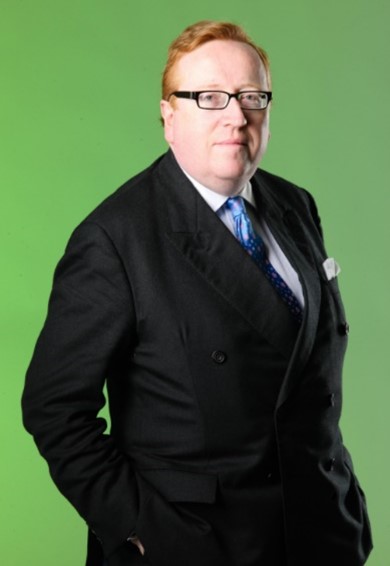
Simon Heffer was born in 1960. He read English at Cambridge and took a PhD in modern history at that university. His previous books include: Moral Desperado: A Life of Thomas Carlyle, Like the Roman: The Life of Enoch Powell, Power and Place: The Political Consequences of King Edward VII, Nor Shall My Sword: The Reinvention of England, Vaughan Williams, Strictly English, A Short History of Power, Simply English, High Minds: The Victorians and the Birth of Modern Britain, The Age of Decadence, and Staring at God. In a thirty-year career in Fleet Street, he has held senior editorial positions on The Daily Telegraph and The Spectator, and is now a columnist for The Daily Telegraph and The Sunday Telegraph.
‘The greatest British diarist of the 20th century. A feast of weapons-grade above-stairs gossip. An astonishing achievement. Channon is a delightful guide, by turns frivolous and profound.’ Ben Macintyre, The Times
‘Salacious. Replete with fascinating insights.’ Jesse Norman MP, Financial Times
‘A masterpiece of storytelling and character assassination’ Kathryn Hughes, The Guardian, Book of the Day
‘Wickedly entertaining […] scrupulously edited. Genuinely shocking, and still revelatory.’ Andrew Marr, New Statesman